

The POE is a powerful foundational framework that is accessible to all. However most Equality Striving Individuals (ESIs) will be introduced to it via an intermediary framework or organization, such as: Equality Striving Communities (ESCs), Equality Striving Organizations (ESOs), or Equality Striving Jurisdictions (ESJs).
There is no exhaustive list of applications of the POE. It is a comprehensive foundational framework. Thus, it’s designed to be applicable to anything “equ” by any Equality Striving Entity (ESE). A few main “use cases” are listed below.
EQUALITY STRIVING ENTITIES (ESEs)

Equality Striving Individuals (ESIs)
The POE provides individuals with a substantial amount of knowledge and tools to achieve an extremely high level of equality within their lifestyle. Due to the POE’s moderately complex learning curve, it’s likely most individuals will apply the POE via third parties such as Equality Striving Communities (ESCs), equality driven apps, humanitarian organizations, or public sector frameworks.
RESULTS
Equitable individuals who are knowledgeable and equipped with many equality tools.

Equality Striving Communities (ESCs)
The Protocols of Equal can create and maintain social assemblies. An increase of social cohesion amongst Equality Striving Individuals (ESIs) is expected. The POE’s ability to audit equality enables it to validate the intent and actions of individuals within Equality Striving Communities (ESCs). As a result, actionable protocols can be created and customized according to the needs of ESCs. The integrity of the newly equalized communities can be protected by the POE’s ability to detect, diagnose, reverse, and prevent inequalities.
RESULTS
More organically formed and operated Equality Striving Communities (ESCs)

Equality Striving Organizations (ESOs)
The POE has the ability to detect, diagnose, validate, quantify, index, reverse, and prevent inequalities. Making it possible to audit equality, and subsequently validate the equitable intent and actions of individuals within Equality Striving Organizations (ESOs). Organizations are now empowered to develop efficient guidelines, and corresponding frameworks that audit policies and procedures to ensure its operations are equitable.
RESULTS
Equitable organizations that operate via an extremely high level of equality.
PUBLIC SECTOR – Equality Striving Jurisdictions (ESJs)
CONSTITUTIONAL EQUALITY
1. Equality Before the Law
Constitutional equality requires that all individuals be treated equally under the legal framework of the state.
POE Contribution: POE evaluates Conduits and Occurrences within legal systems to identify structural pathways that produce unequal treatment and restructures them toward Sequences of Equality.
2. Non-Discrimination
Constitutions prohibit discrimination based on protected characteristics such as race, gender, religion, or status.
POE Contribution: POE identifies Conduits of Inequality where discriminatory outcomes originate and redirects institutional processes toward equality-based principles.
3. Equal Protection
Constitutional systems must ensure that laws and policies protect all individuals equally from harm or unfair treatment.
POE Contribution: POE analyzes Occurrences of Inequality within enforcement and legal interpretation to ensure protective mechanisms consistently produce equality outcomes.
4. Due Process Equality
All individuals must receive fair and consistent procedures when their rights or interests are affected by government action.
POE Contribution: POE strengthens Principles and Clauses within procedural systems so legal processes form Sequences of Equality that prevent procedural bias.
5. Equal Access to Rights
Constitutions guarantee that fundamental rights and freedoms are accessible to all members of society.
POE Contribution: POE detects institutional Conduits that restrict access to rights and restructures them so governance systems progress toward the Apex of Equality.
6. Institutional Neutrality
Government institutions must operate without favoritism toward particular groups or interests.
POE Contribution: POE identifies Deviates that compromise institutional neutrality and replaces them with equality-binding principles that maintain balanced governance.
7. Judicial Oversight
Courts interpret constitutional equality and ensure that laws and policies comply with constitutional standards.
POE Contribution: POE utilizes Revelations of Equality and Inequality to expose systemic causes of unequal outcomes, strengthening the judiciary’s ability to correct inequality trajectories.
8. Corrective Equality
Constitutional systems must provide mechanisms to remedy inequality when it occurs.
POE Contribution: POE supports Reversal constructs, enabling institutions to redirect systems away from inequality pathways and restore progress toward the Apex of Equality.
ADMINISTRATION

Applying Extremely High Level Equality (EHLEQ) for the following:
1. Organization
Administration requires the structured coordination of institutions, personnel, and procedures to implement laws and policies effectively.
POE Contribution: The Protocols of Equal organize governance environments through Conduits and Sequences, ensuring institutional structures systematically promote equality-based operational pathways.
2. Implementation
Administrative bodies translate legislation into practical programs, regulations, and services.
POE Contribution: POE frameworks identify Occurrences and Principles, helping administrators implement policies that reinforce equality outcomes while preventing inequality pathways.
3. Coordination
Effective administration depends on cooperation among departments, agencies, and governing actors.
POE Contribution: Through Sequences of Equality, POE creates structured chains of principles that align institutional actors toward consistent equality-focused decision making.
4. Accountability
Administrative authorities must remain answerable for their actions and decisions.
POE Contribution: POE integrates Revelations of Equality, revealing causes, supporters, and impacts of administrative decisions, thereby strengthening transparency and responsibility.
5. Resource Management
Administration allocates financial, human, and informational resources to achieve public objectives.
POE Contribution: By identifying Conduits of Inequality, POE helps detect and eliminate resource distribution systems that create unequal outcomes.
6. Representation
Administration should reflect the populations it serves by ensuring diverse perspectives and interests are present in administrative structures and decision-making.
POE Contribution: POE evaluates Conduits and Sequences within institutions to identify barriers to equitable participation and helps restructure administrative pathways so representation progresses toward the Apex of Equality.
LEGISLATION

Applying Extremely High Level Equality (EHLEQ) within the following processes:
1. Authority
Legislation requires a legitimate governing body with the constitutional power to create laws and public rules.
POE Contribution: POE analyzes Conduits and Principles within governing institutions to ensure legislative authority produces equality-based outcomes rather than reinforcing systemic inequality.
2. Representation
Legislation must reflect the interests and needs of the population through elected or authorized representatives.
POE Contribution: POE evaluates Conduits of Equality and Inequality within legislative structures to identify gaps in representation and strengthen inclusive participation in lawmaking.
3. Deliberation
Legislation requires structured debate, consultation, and analysis before laws are enacted.
POE Contribution: Through Sequences of Equality, POE helps structure deliberative processes so each policy principle functions as a link that promotes equitable outcomes.
4. Rule of Law
Legislation must operate within a consistent legal framework where laws apply predictably and equally.
POE Contribution: POE reinforces equality-centered Principles and Clauses, helping ensure laws bind institutions and actors to fair and consistent legal standards.
5. Separation of Powers
Legislative authority must remain distinct from executive and judicial functions to prevent concentration of power.
POE Contribution: POE identifies institutional Conduits that blur accountability between branches and restructures them toward balanced equality-centered governance.
6. Accountability
Legislators must be answerable to the public and governing institutions for the laws they create.
POE Contribution: POE uses Revelations of Equality and Inequality to expose the causes, supporters, and impacts of legislative decisions, strengthening transparency and responsibility.
7. Policy Formation
Legislation translates political priorities and public needs into enforceable laws and policies.
POE Contribution: POE evaluates Occurrences and Sequences within policy development to ensure legislative outputs create chains of equality rather than systemic inequality.
8. Legitimacy
Legislation must be recognized as fair and justified by the population to maintain social compliance and stability.
POE Contribution: By guiding systems toward the Apex of Equality, POE strengthens public trust by ensuring legislative outcomes visibly promote equitable societal conditions.
ADJUDICATION

Applying Extremely High Level Equality (EHLEQ) within the following processes:
1. Impartiality
Adjudication requires neutral decision-making that is free from bias or improper influence.
POE Contribution: POE identifies Deviates (unbinding factors) that may distort fair decision processes and replaces them with equality-binding Clauses and Principles.
2. Due Process
All parties must receive fair procedures, including the right to be heard and evaluated through established rules.
POE Contribution: POE’s Sequences of Equality establish procedural chains that ensure consistent and fair adjudicative pathways.
3. Evidence Evaluation
Adjudicators must assess evidence objectively to determine facts and outcomes.
POE Contribution: POE’s Revelation constructs help expose underlying causes, actors, and influences that affect cases, improving evidentiary clarity.
4. Legal Interpretation
Adjudication requires interpreting laws and applying them to specific disputes.
POE Contribution: POE frameworks clarify Principles and Clauses, helping adjudicators interpret laws in ways that reinforce equality outcomes.
5. Resolution
Adjudication concludes disputes by issuing binding decisions or remedies.
POE Contribution: Through identifying Apex points, POE helps determine whether decisions move systems toward equality or inequality outcomes.
ENFORCEMENT
Applying Extremely High Level Equality (EHLEQ) within the following processes:
1. Compliance
Enforcement ensures individuals and institutions follow the law.
POE Contribution: POE tracks Occurrences of Inequality, allowing enforcement agencies to identify where non-compliance produces unequal outcomes.
2. Deterrence
Sanctions and oversight discourage violations of laws and regulations.
POE Contribution: By exposing Conduits of Inequality, POE helps target enforcement mechanisms where deterrence is most needed.
3. Monitoring
Continuous observation and auditing detect violations and systemic risks.
POE Contribution: POE systems monitor Sequences of Inequality, identifying patterns that indicate emerging structural inequality.
4. Corrective Action
Authorities intervene to stop violations and restore lawful conditions.
POE Contribution: POE supports Reversal constructs, enabling institutions to shift from inequality trajectories back toward equality pathways.
5. Protection
Enforcement protects the rights, safety, and welfare of individuals and communities.
POE Contribution: By guiding systems toward the Apex of Equality, POE ensures enforcement ultimately advances equitable societal outcomes.
UNITED NATIONS – SUSTAINABLE DEVELOPMENT GOALS (SDGs)
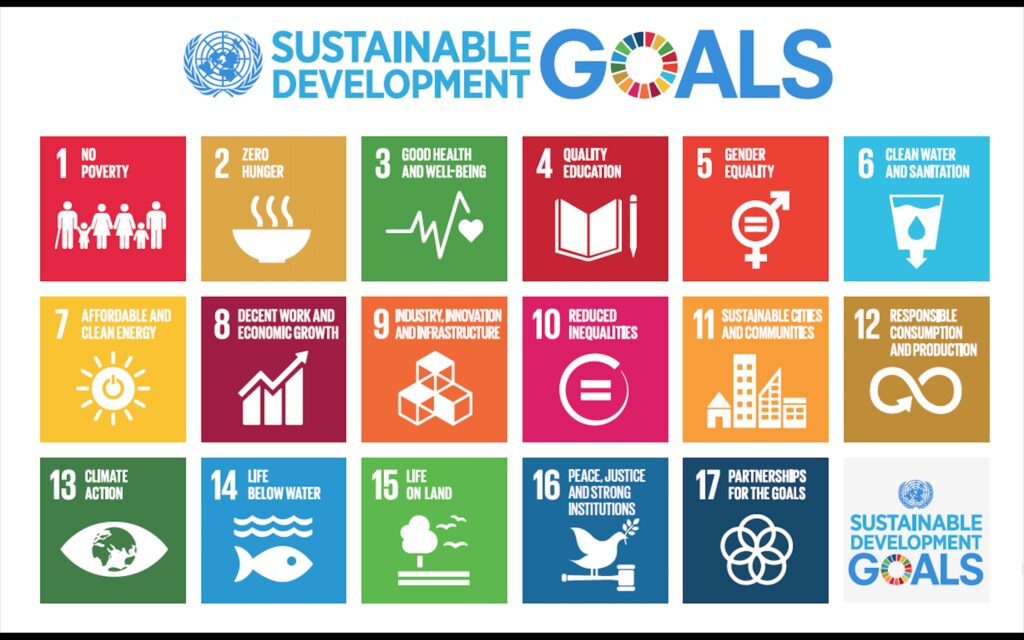
The Protocols of Equal has the capability to substantially, considerably, or partially assist the United Nations to achieve multiple Sustainable Development Goals (SDGs).
SUBSTANTIALLY ASSIST (Up to 90% Improvement)
- Goal #10: Reduced Inequalities
- Goal #16: Peace, Justice, Strong Institutions (Audit institutions for equitable operations)
- Goal #1: No Poverty
- Goal #5: Gender Equality
CONSIDERABLY ASSIST (Up to 30-60% Improvement)
- Goal #2: Zero Hunger
- Goal #3: Good Health & Well Being
- Goal #8: Decent Work & Economic Growth
PARTIALLY ASSIST (Up to 30% Improvement)
- Goal #4: Quality Education
- Goal #17: Partnership for the goals (Equality driven collaborations)
- Goal #9: Industry, Innovation, Infrastructure (Innovation)
How can the POE help with all these goals? The answer is simple. Equality is a vital component with the acquisition and upkeep of valuables, along with policies, procedures, and processes within society. Equality is extremely important in society, as equity is a societal lifeline. The Protocols of Equal Framework is a foundational framework. Engine Equal is the technology that is mirrored to model its capabilities of the Protocols of Equal framework.
SUSTAINABLE DEVELOPMENT GOAL #10: REDUCE INEQUALITIES (Direct 》Extremely Strong Match)
The Protocols of Equal is designed to significantly reduce inequalities. It can map and track the underlying factors that affect equality. These attributes enable the POE to accurately analyze Conduits of Inequality, along with their corresponding Occurrences of Inequality. As a result, detect, diagnose, quantify, validate, and index inequalities. Subsequently, empower the formation of actionable protocols that combat Occurrences of Inequality, and implement equality driven solutions. Thus, reversing and preventing the causes of inequalities. If properly applied, the Protocols of Equal can potentially decrease inequalities by up to 90% within any Equality Essential Environment. Including Equality Striving Communities (ESCs), Equality Striving Organizations (ESOs), and Equality Striving Jurisdictions (ESJs).
The Protocols of Equal is an extremely valuable and perhaps indispensable framework that can substantially assist the UN to achieve SDG #10.

SUSTAINABLE DEVELOPMENT GOAL #16: PEACE, JUSTICE, & STRONG INSTITUTIONS (Direct 》Strong Match)
JUSTICE
The POE can protect Constitutional Equality. It can map and track the underlying factors that affect equality. Therefore, wielding the capability to assist Equality Striving Jurisdictions (ESJs) to achieve an extremely high level of equality. A primary catalyst to accomplish this objective is a mandatory baseline of minimum essentials called the Equated Basis. All residents within an ESJ must have equal access to these necessities. The POE specifies the minimum essentials required to achieve the equated basis according to the objectives of the ESJ. For example, if constitutional equality is an objective of the ESJ, the factors that affect it will be assessed. Accordingly, actionable protocols will be formulated to deliver and safeguard constitutional equality for every Equality Striving Individual (ESI) within the ESJ. As an example, to achieve constitutional equality, actionable protocols could include equality rooted changes within legislation, adjudication, administration, and enforcement. Each of these sub-objectives would have their own actionable protocols based on their required individual components.
PEACE
Equal share gets peace – D S Reid
The POE champions moral reasoning and best practices that reduce inequality related conflicts. At the Protocols of Equal Institute we have observed an incredibly high correlation between arms and inequalities, much of which is documented within our writings. The POE is perhaps the only equality framework with a dedicated and comprehensive arms branch. While arms is the elephant in the room for most equality related conversations, it’s one of the first things the POE addresses. As Mazlow’s hierarchy of needs indicates, safety is paramount to one’s well being. Based on the POE, there are strong indications that a lack of safety erodes an individual or group’s foundation in society.
Our institute encourages the study of the causes and effects of arms inequalities. The preliminary findings have yielded a pro-forma equality arms method called Proficient Equality Driven Enforcement (PEDE). This method outflanks arms related conflicts caused by inequalities at their inception. By embedding and streamlining a pre-arms based strategy, PEDE can audit the current enforcement policies and procedures, to provide accurate, reliable methods that prevent arms inequalities. Thus, substantially enhancing the defense of constitutional equality.
INSTITUTION
The POE can audit institutions for equitable operations.
The Protocols of Equal can substantially assist to solve UN SDG #16.
SUSTAINABLE DEVELOPMENT GOAL #5: GENDER EQUALITY (Direct 》Strong Match)
The Protocols of Equal is designed to assist any Equality Striving Individual (ESI) to achieve an extremely high level of equality, regardless of gender; whether male or female. Its foundational framework can not only assist each gender to support new customized methods, it can also do so for specific scenarios, and circumstances. Especially, if they have intricate underlying factors and applications within society. Its capabilities and foundational framework can empower any Equality Striving Individual.
The Protocols of Equal can substantially assist the UN to achieve SDG #5.

SUSTAINABLE DEVELOPMENT GOAL #1: NO POVERTY (Indirect 》Strong Match)
The Protocols of Equal is a foundational framework. This enables the POE to address inequities at the causal level and not just the effectual level. Applying the POE framework will significantly help to uproot the root causes of inequality based poverty. A welcomed change that will provide equal access to equal opportunities. As a result, empower once poverty stricken people to plant new seeds of equity within a freshly cultivated, and fertile equality based ecosystem.
How!? The majority of poverty has a root cause that is traceable to inequality. The POE can map, track, detect, reverse, and prevent the causes of poverty. Thus, empowering the formation and application of actionable protocols that apply equality driven solutions. Subsequently, significantly reducing inequality based poverty and establishing new effective roots to bear the fruits of lasting equity.
Protocols of Equal can considerably assist the UN to achieve SDG #1.
SUSTAINABLE DEVELOPMENT GOAL #2: ZERO HUNGER (Indirect 》Strong Match)
The Protocols of Equal is a foundational framework. This enables the POE to address inequities at the causal level and not just the effectual level. Applying the POE framework will significantly help to uproot the root causes of inequality based hunger. A welcomed change that will ensure all people are properly fed. As a result, empower once hunger stricken people to plant new seeds of equity within a freshly cultivated, and fertile equality based ecosystem.
How!? The majority of hunger has a root cause that is traceable to inequality. The POE can map, track, detect, reverse, and prevent the causes of hunger. Thus, empowering the formation and application of actionable protocols that apply equality driven solutions. Subsequently, significantly reducing inequality based hunger, and establishing new harvests of continuous hearty meals.
Protocols of Equal can considerably assist the UN to achieve SDG #2.
SUSTAINABLE DEVELOPMENT GOAL #17: COLLABORATIONS (Direct 》Strong Match)
The Protocols of Equal has the ability to improve the interaction and exchange of equality via the access to the underlying factors of equality. Making enhanced collaborations between collectives possible. This could be local groups or even multinational equality driven collaborations.
Protocols of Equal can significantly assist to achieve UN SDG #17.
ISO STANDARD FRAMEWORK

Once the Protocols Of Equal traverses the rigors of the empirical process (Approx. 3-5 yrs), it is projected to be an extremely valuable tool for achieving Extremely High Level Equality (EHLEQ). Perhaps even an indispensable one. The establishment of reliable methods could potentially make the POE an ISO standard framework. Thus, enhancing the efforts to standardize the application of equality within society.